Across Kenya, a quiet revolution is happening in how people find work. Digital platforms, Data Driven Job-matching tools, and Applicant Tracking Systems are transforming the way employers connect with talent. Yet one segment of the workforce continues to lag: blue-collar hiring.
Despite accounting for a significant share of the country’s labor force, Blue-collar Recruitment remains stuck in outdated practices. Walk-ins, noticeboard flyers, and word-of-mouth still dominate, even as businesses face mounting pressure to find reliable, skilled workers in record time. The result? Missed opportunities, high turnover, and frustrated employers who feel like they’re constantly starting over.
It’s time to rethink how Kenya hires its essential workers and a digital shift may be just what’s needed.
Table of Contents
The Critical, Yet Underserved, Backbone of Kenya’s Workforce

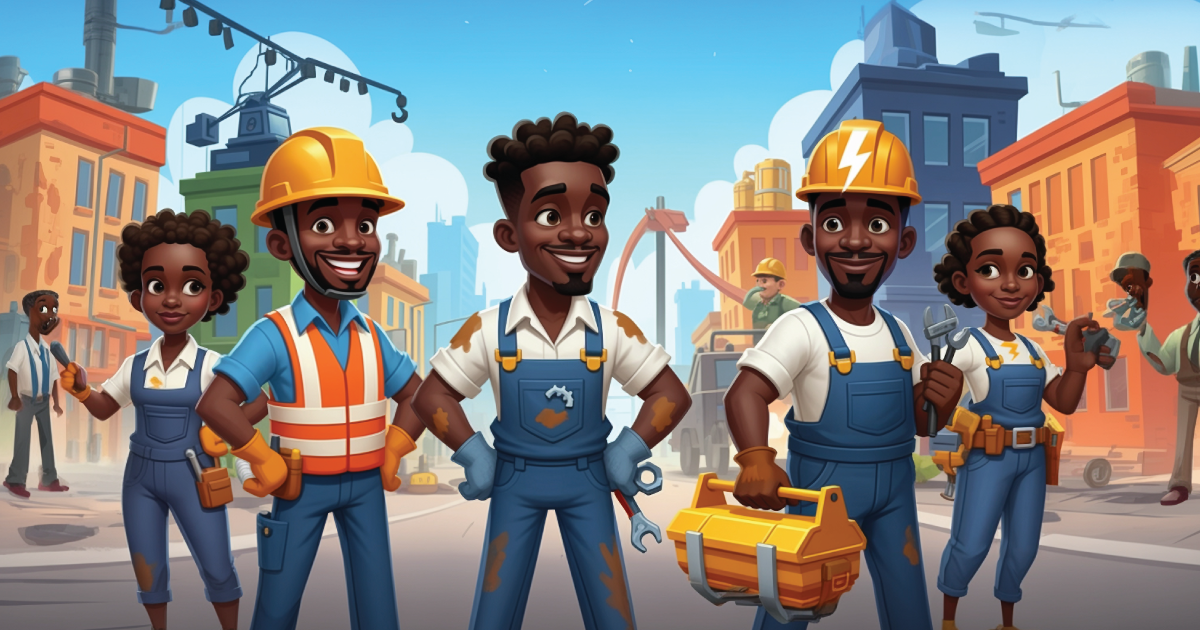
Blue-collar workers are the hands that keep Kenya moving: drivers, mechanics, welders, masons, caregivers, and hospitality staff. They are essential to both urban and rural economies. Yet the systems built to recruit them haven’t evolved with the times.
Many job seekers, especially those in informal settlements or remote regions, rely on networks that limit their reach. Hiring decisions often depend more on personal connections than on skills or reliability. This leads to a system where merit takes a back seat, and that hurts both workers and businesses.
The Hidden Cost of Doing Things “The Way They’ve Always Been Done”
InOutdated hiring methods come at a steep price.
- No skill verification: Employers hire blindly, unsure of qualifications or trustworthiness.
- High turnover: Mismatches lead to short-term hires and disruptions.
- Wasted time: Sifting through unqualified applicants delays productivity.
In sectors like logistics, construction, and domestic services where speed and trust are critical these inefficiencies are not just frustrating. They’re costly, and without structured systems in place, employers miss out on:
- Clear records and hiring histories
- Insight into what works (and what doesn’t)
- A pipeline of reliable, pre-vetted candidates
Kenya’s labor market is evolving. But blue-collar recruitment risks being left behind.
A Smarter, More Human Approach Through Digital Tools

Digitizing blue-collar hiring is not about automating people out of the process. It’s about empowering both employers and job seekers with the tools to make better decisions, faster and more fairly. Here’s how digital tools can drive real change:
1. Reaching the Right People, Not Just the Closest Ones
Digital platforms allow employers to post roles that go beyond their neighborhood or WhatsApp group. This means better chances of finding skilled professionals who match the role, not just those within walking distance. For businesses outside Nairobi or in fast-growing peri-urban areas, this reach is not just helpful, it’s essential.
2. Cutting Through the Noise, Quickly
Time spent screening the wrong candidates can feel like pouring water into a leaking bucket. Digital tools offer filters that sort applicants by skills, training, location, and even soft attributes like language fluency or professionalism. The result? More time building, less time backtracking.
3. Managing Applications Without the Headache
For many businesses without dedicated HR software, manually managing applications, especially when responses are high, can be overwhelming. Applicant Tracking Systems (ATS) simplify this process. Employers can now:
- View all applicants in one place
- Mark and categorize strong fits
- Schedule interviews
This structure ensures that no application is lost or ignored and enables more objective and transparent shortlisting decisions.
4. Moving at the Speed of Business
Many blue-collar roles are time-sensitive. When a driver calls in sick or a site needs more hands, waiting days for walk-ins isn’t viable. With digital hiring, job postings go live immediately. Notifications reach job seekers instantly. Interviews can be scheduled within hours. That kind of speed makes a difference.
5. Hiring That Sticks
Behind every early resignation is usually a missed expectation. Whether it’s about hours, pay, or the nature of the work, these mismatches cost both sides. With structured digital job descriptions and better profiling, employers and workers enter the relationship on the same page. Fewer surprises. Better alignment. Higher retention.
The Bottom Line: A Shift in Mindset, Not Just Medium
Kenya’s blue-collar workforce deserves dignity, fairness, and opportunity. That starts with a shift in how we approach hiring. This isn’t about abandoning traditional methods entirely it’s about upgrading them. Leveraging digital solutions offers:
- Faster placements
- Smarter decisions
- Fairer access for job seekers
As one of Kenya’s leading talent platforms, BrighterMonday is already helping employers navigate this shift making recruitment easier, more affordable, and more transparent for businesses of all sizes. The world of work is changing. It’s time our hiring systems changed with it.