
Imagine this: You spend hours scrolling through job listings. You update your CV and write cover letters for each job. Finally, you receive a call or email. An interview invitation. You get excited and inform your family members and close friends about it. Then, anxiety about the interview builds up, leading to you not showing up.
It sounds ridiculous, right? Yet this is happening. Employers are setting up interviews, yet candidates are not showing up.
Whether you are a fresh graduate or an early-career professional, this article is for you. It explores the reality of the hiring process, interview preparation, and professional conduct.
Table of Contents
Why Professional Conduct During Job Interviews in Kenya Matters
Your Character Plays a Key Role During the Hiring Process
The job market in Kenya and worldwide is tough. Your qualifications may land you an interview, but it’s your character and professionalism that secure the job.

Employers evaluate not only your qualifications and skills but also your professional behavior. They observe your communication, interpersonal conduct, reliability, and especially your attendance.
When you skip an interview without notice, you lose the chance to prove you are the right candidate. Missing the appointment also damages your reputation with the employer and eliminates future opportunities at that company.
Step – by – Step Guide – How to Prepare for a Job Interview in Kenya
Step 1 – Confirm the Interview and Plan Your Logistics Early
The moment you receive an interview invitation, your professional clock should start ticking. Confirm your attendance. Research on the location to know exactly where you are going before the interview day.
Planning logistics in advance will save you from arriving late. If necessary, visit the location beforehand to familiarize yourself with the route.
Arrange your own transport. Don’t ask the employer for money to get to the interview. We understand that transport costs can be a genuine challenge while unemployed. But asking for such raises concerns about your professionalism and reliability.
Step 2 – Research About the Company and Role
It’s important to know who you are meeting. Before the interview, spend at least an hour or two researching:
- The job description — Re-read it carefully and identify the top three skills or qualities they are looking for
- The company’s mission, values, and services — What do they do? Who are their clients?
- Recent news or updates about the company — Did they launch a new product? Win an award? Expand to a new region?
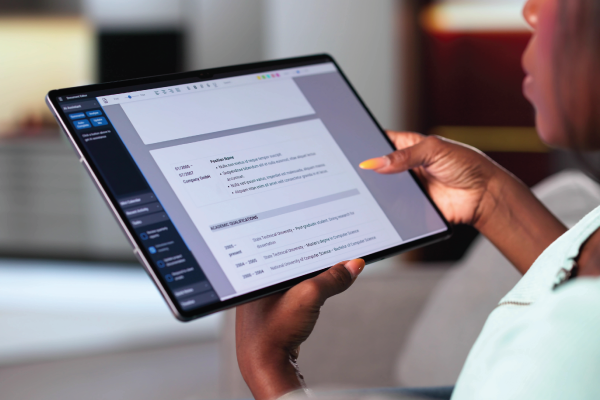
Candidates who know the organization well stand out in interviews. It tells an employer: “I took this seriously. I prepared. I want to be here.”
Once you know the company and the role, begin preparing for common entry-level interview questions. These are the questions that you’re most likely to be asked:
- Tell me about yourself
- Why do you want to work here?
- What are your strengths and weaknesses?
- Where do you see yourself in three to five years?
Practice your answers out loud. Do mock interviews with a friend or use the BrighterMonday AI Career tool. Record yourself and watch it back. The goal is to feel confident and natural in the room.
Step 3 – Dress Appropriately for the Kenyan Professional Environment
Your appearance communicates a lot about you. You don’t have to be in a suit; all you need is to look clean, neat, and smart.
For most corporate or office-based interviews in Kenya, this is how you dress:
- Men: A well-ironed shirt (preferably with a collar), dark trousers, clean shoes. A blazer or suit.
- Ladies: A blouse or dress, trousers, or a professional skirt. Avoid overly casual or revealing outfits.
Step 4 – Show Up – On Time

Being on time shows courtesy. It also shows you are organized, reliable, and serious about the opportunity. Aim to arrive 10 to 15 minutes early. Use that time to compose yourself, review your notes, and take a few deep breaths.
If something unavoidable happens, call or email your employer as soon as you can. Do not wait until the last minute. Proactive communication in tough situations shows true integrity.
If you don’t show up and decide to ghost an interview, this is what happens:
- You lose a real opportunity. That interview could have been your entry into a career you would have thrived in.
- You negatively impact other candidates. That time could have been used to interview another applicant.
- You create a negative impression with employers. Every no-show damages your reputation and makes it harder for others to trust you with opportunities.
Step 5 – Follow Up After the Interview
Following up after the interview sets you apart from the rest. We understand the wait after the interview may feel forever, but it’s always good to follow up and express your interet to the role. Here’s what to keep in mind:
- Hiring processes in Kenya can take anywhere from a few days to several weeks, depending on the organisation.
- It’s acceptable to follow up after a reasonable period of 2 weeks.
- Keep applying to other roles while you wait. Never put all your eggs in one basket.
- If you receive a rejection, respond graciously. Ask for feedback if possible.
Wrapping Up
Showing up for interviews is important. It shows recruiters you are responsible and reliable. The universe will always reward those who show up with intention.
If you miss an opportunity, that’s not the end; you took home some learnings and will get to improve.
Ready to start your journey? Here is your next move:
If you’re a recent graduate searching for your first job or starting your career, BrighterMonday Kenya is your next opportunity.
Discover job opportunities that match you. Set up tailored job alerts for your field. Get ready for interviews, and move forward with confidence.
Your next job is here. Show up for it!
Frequently Asked Questions (FAQ)
Carry printed copies of your CV, your national ID, certified copies of your academic certificates, and a notepad and pen. Being organised with your documents reflects your attention to detail.
Absolutely. A polite request for feedback after a rejection shows maturity and a growth mindset. Most professional employers will respect the ask, even if they are not always able to provide detailed responses.
Aim to arrive 10 to 15 minutes before your scheduled interview time. This gives you a moment to compose yourself without keeping the interviewer waiting or appearing rushed.
Wait at least five to seven business days before sending a polite follow-up email. Keep the message brief, professional, and express your continued interest in the role.