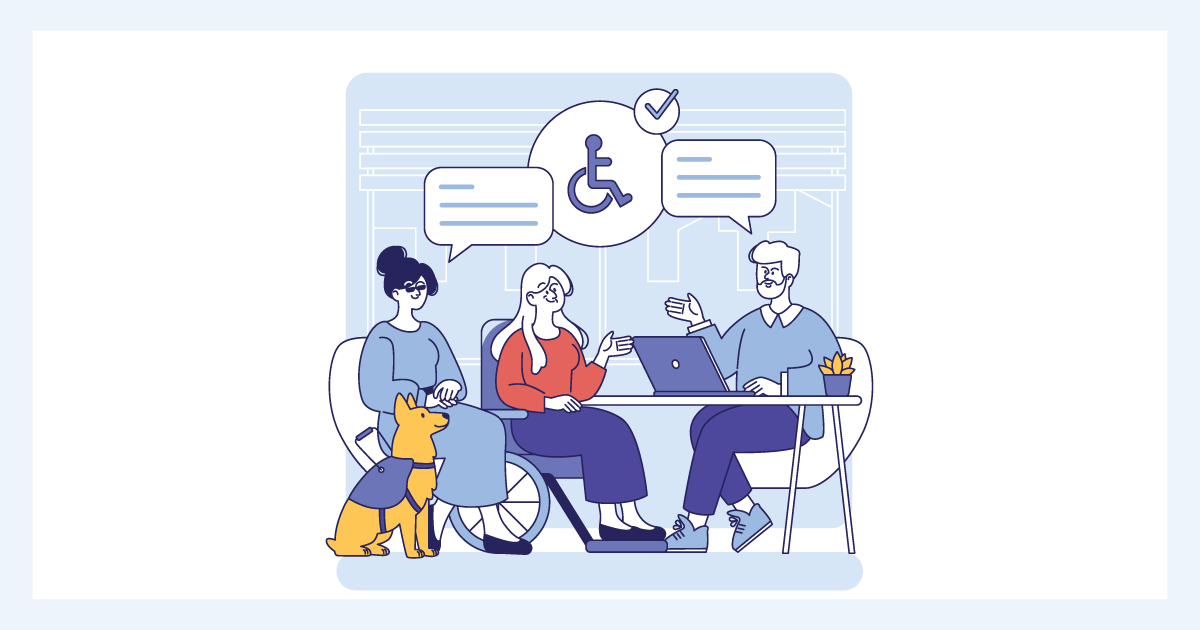
Inclusive hiring in Kenya is more than a compliance requirement, it’s a strategy for unlocking untapped potential. While employers focus on gender balance, youth employment, and skills shortages, persons with disabilities (PWDs) are still largely overlooked in the workforce.
A talented workforce being overlooked
Across Kenya, conversations about inclusive hiring continue to grow, particularly among employers navigating skills shortages and increased competition for quality hires. Attention has been placed on gender balance, youth employment, and skills-based hiring. But one group remains largely missing from the workforce: persons with disabilities (PWDs).
This absence is not driven by a lack of capability. People with disabilities are trained professionals, creatives, analysts, technicians, managers, and leaders. They work across sectors, ICT, finance, marketing, customer service, operations, and beyond. Like any other jobseeker, they want fair access to opportunities, dignified work, and room to grow.
Despite this, access to employment remains uneven. Qualified candidates with disabilities continue to be filtered out, even as employers across Kenya report difficulty finding and retaining skilled talent. As a result, a significant and diverse talent pool remains underutilised.
When Systems and Assumptions Block Opportunity for Inclusive Hiring in Kenya
The biggest challenge facing jobseekers with disabilities isn’t ability. It’s access. Many organisations want to “do the right thing” but feel unsure where to start. Disability inclusion is often misunderstood, avoided, or treated as a compliance checkbox rather than a workforce issue.
Common concerns come up:
- Will accommodations be expensive?
- Will productivity be affected?
- Do we have the right systems in place?
In practice, the biggest barriers sit within hiring systems and workplace design, not within individuals. Inaccessible application processes, rigid job requirements, unclear accommodation policies, and unconscious bias quietly filter out qualified candidates before interviews even happen.
In Kenya, the legal framework is established. . The Persons with Disabilities Act (2003) requires organisations with over 50 employees to ensure that at least 5% of their workforce comprises persons with disabilities. The National Council for Persons with Disabilities (NCPWD) also provides tax incentives for compliant employers.
Yet accessibility gaps persist. In many cases, exclusion is not intentional. It reflects systems that were never designed with inclusion in mind. When inclusion is delayed, organisations face compliance risk alongside missed access to skilled and capable employees.
Inclusion as a Practical, Measurable Workforce Strategy in Kenya
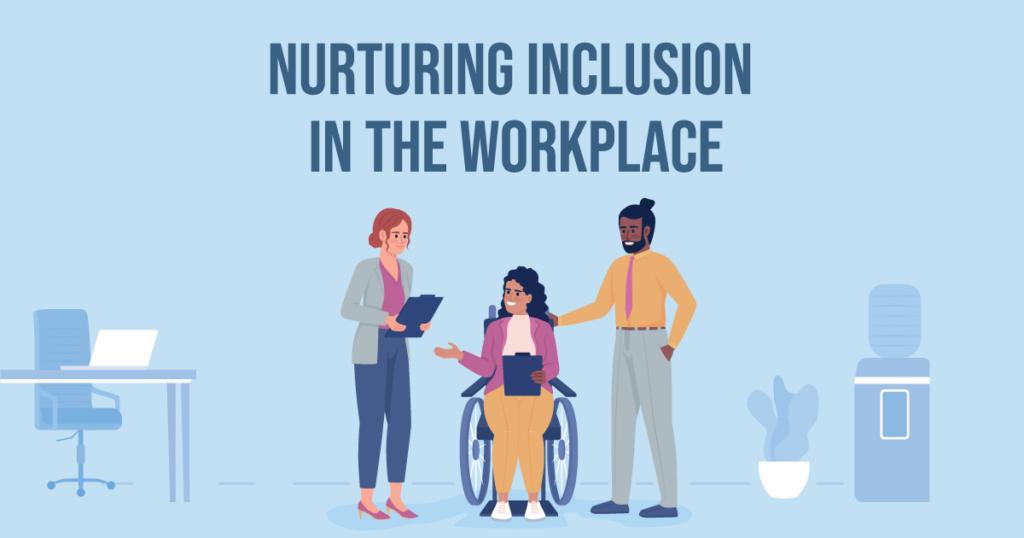
Inclusive hiring doesn’t begin with perfection. It begins with intention. For most employers, reasonable accommodation involves practical adjustments that do not disrupt productivity. These may include flexible working hours, remote or hybrid options, accessible interview formats, assistive software, physical workplace adjustments, and clear communication guidelines can remove barriers without disrupting productivity, benefiting the wider workforce too.
When employers intentionally include persons with disabilities, the impact is tangible:
- Stronger problem-solving and resilience: Navigating environments not designed for you builds adaptability, creativity, and persistence, skills every organisation needs.
- Better team performance: Diverse teams bring different perspectives, challenge assumptions, and make more balanced decisions.
- Higher retention and loyalty: Employees who experience fair access and inclusion are more likely to stay and grow with an organisation.
- Alignment with society and customers: Workplaces that reflect real communities build credibility with clients, partners, and the public.
Inclusion becomes sustainable when it is treated like any other workforce strategy:
- Audit your hiring funnel
- Train recruiters
- Clarify accommodation processes
- Set realistic hiring and retention goals
- Track progress over time.
Within the employment ecosystem, hiring platforms also shape access to opportunity. When recruitment platforms are designed with accessibility in mind, employers are exposed to a broader and more diverse pool of talent, including qualified persons with disabilities. This widens reach without lowering standards and supports more inclusive hiring outcomes across the market.
How Disability-Inclusive Recruitment in Kenya Strengthens Teams
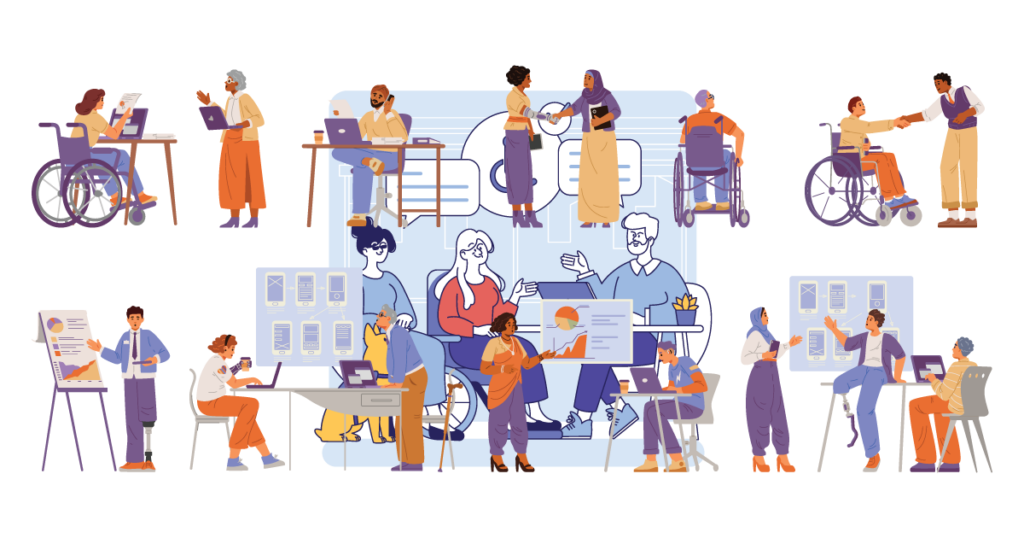
Hiring persons with disabilities means recognising talent, removing unnecessary barriers, and designing systems that allow skills and potential to be visible.
For employers, the conversation has shifted. The question is no longer “Why should we consider disability inclusion?” The real question is: What skills, experience, and innovation are we missing when access remains limited?
When organisations choose inclusive hiring, they expand their talent pool, strengthen team performance, and build workplaces that reflect the real world. For job seekers with disabilities, inclusive hiring creates the opportunity to be recognised for their capabilities rather than excluded by barriers.
As the workforce continues to evolve, organisations that prioritise inclusive design position themselves to respond better to changing labour market demands. These workplaces build resilience, represent diverse communities more accurately, and serve a broader economy more effectively.
Inclusive hiring is no longer a debate. The focus now is on whether organisations will design systems that allow every qualified individual to participate fully.
Ability is not defined by disability.
Opportunity is defined by access.
Written By Nicole Mballah