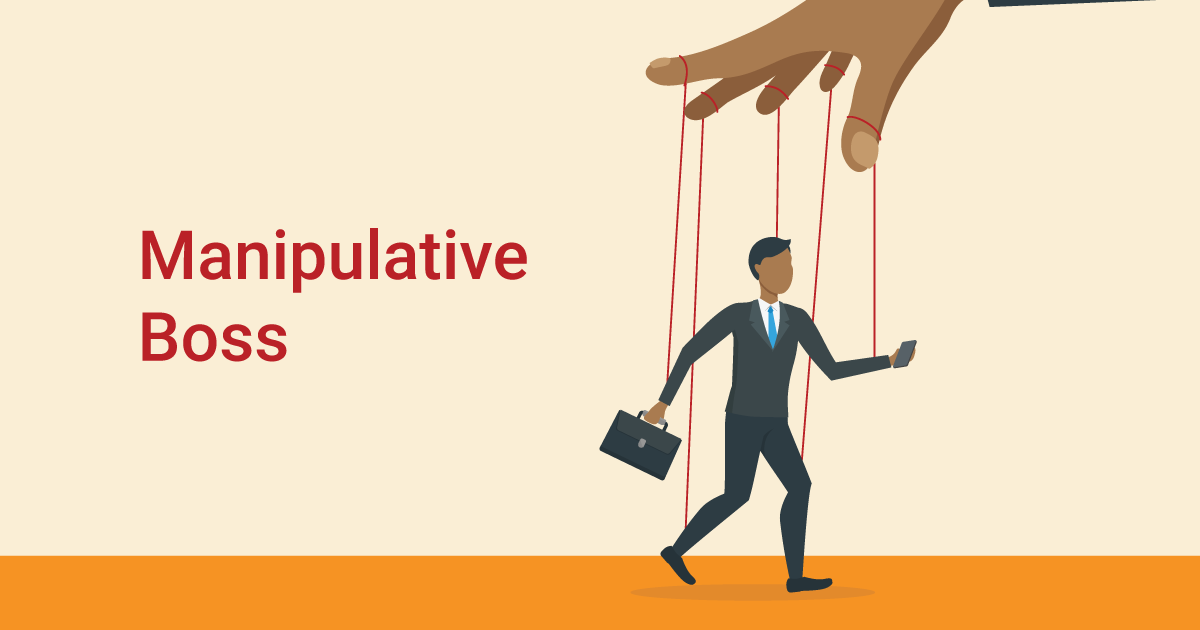
A manipulative boss can drain your confidence, stunt your career growth, and make the workplace feel toxic. Unlike tough managers who push for results fairly, manipulative bosses use emotional tactics, power games, and political influence to control you.
Learning to identify the signs of a manipulative boss and knowing how to respond — can protect your wellbeing, boost your confidence, and even save your career.
Table of Contents
What Is Manipulative Behavior at Work?
Manipulative behavior at work occurs when a manager or leader uses psychological pressure, fear, or dishonesty to influence employees. Instead of building trust, they exploit weaknesses, shift blame, or take credit for others’ work.
This behavior goes beyond strict management. It’s often subtle at first but can escalate into a pattern that impacts employee morale and productivity.
10 Clear Signs of a Manipulative Boss
They Focus Only on Your Weaknesses

Good managers encourage growth by recognizing strengths and supporting areas for improvement. A manipulative boss, however, will spotlight only what you’re doing wrong — often in front of colleagues. They may use criticism to deny promotions, raises, or recognition, keeping you dependent and insecure.
How to handle it: Build confidence by documenting your successes and backing up your decisions with evidence. Share achievements during performance reviews so your strengths can’t be ignored.
Micromanagement at Every Step

Do you feel like your boss doesn’t trust you with even the smallest task? A manipulative boss will micromanage your work, demand constant updates, and reject ideas just to maintain control.
How to handle it: Communicate your rationale clearly. When you present decisions with facts and reasoning, over time it becomes harder for them to dismiss your contributions.
They Always Pass the Blame

Instead of owning mistakes, manipulative bosses push responsibility onto employees while claiming credit for successes. This tactic protects their reputation while damaging yours.
How to handle it: Keep a written trail of instructions, approvals, and outcomes. Email follow-ups after meetings create a record that holds everyone accountable.
Name-Dropping Senior Leaders

Some bosses frequently mention senior executives to pressure you into compliance: “The CEO expects this” or “HR approved my decision.” In reality, they often haven’t consulted anyone — it’s just a tactic to silence objections.
How to handle it: Request clarifications in writing. Most manipulative bosses avoid name-dropping on email because it exposes their dishonesty.
5. Playing The Frenemy Card

One day they’re overly friendly, the next they’re undermining you. Manipulative bosses may act like confidants only to use your personal information against you later.
How to handle it: Keep relationships strictly professional. Avoid oversharing personal details that could be twisted to your disadvantage.
6. Gaslighting and Twisting Facts
Gaslighting is when your boss denies things they said, rewrites history, or makes you doubt your memory and judgment. Over time, this erodes your confidence and makes you second-guess yourself.
How to handle it: Document conversations and decisions. If possible, recap discussions in email to create clarity and prevent distortion.
7. Withholding Opportunities
A manipulative boss may block training, networking, or project opportunities to limit your growth. This keeps you dependent on them and unable to advance.
How to handle it: Take initiative to pursue external courses, certifications, or mentorship. Show that your career development isn’t in their control.
8. Emotional Blackmail
Using guilt, fear, or shame, manipulative bosses may pressure you into overworking or taking blame. Comments like “I thought you were loyal” or “You’ll let the whole team down if you say no” are classic tactics.
How to handle it: Set boundaries. A calm but firm response such as, “I want to deliver my best work, but I also need to manage priorities effectively,” reduces the power of emotional manipulation.
9. Public Humiliation
If your boss criticizes or shouts at you in front of colleagues, it’s more than poor leadership — it’s manipulation. The goal is to weaken your confidence and establish dominance.
How to handle it: Stay professional in the moment. Later, request private feedback and, if the behavior continues, raise the issue with HR.
10. Taking Credit for Your Work
One of the most demoralizing manipulations is when bosses present your ideas or results as their own. This stunts your career progression and steals recognition.
How to handle it: Keep a portfolio of your work. Politely highlight contributions in team meetings: “As part of the strategy I developed last quarter…” This asserts ownership without direct confrontation.
How to Deal with a Manipulative Boss: Practical Strategies
- Document everything: Emails, meeting notes, and written approvals protect you.
- Build confidence: The more assured you are, the less power manipulation has.
- Seek allies: Trusted colleagues can provide support and verification when manipulation occurs.
- Set boundaries: Stand firm against unfair blame or emotional blackmail.
- Escalate when necessary: If behavior affects your wellbeing or career, involve HR or senior leadership with clear evidence.
Manipulative Boss vs. Tough Boss: Key Differences
| Manipulative Boss | Healthy Boss |
|---|---|
| Focuses only on weaknesses | Balances praise with constructive feedback |
| Micromanages every detail | Trusts employees with autonomy |
| Takes credit, shifts blame | Shares credit and owns mistakes |
| Uses fear, guilt, or name-dropping | Uses coaching and clear communication |
| Creates confusion and dependency | Builds confidence and independence |
A manipulative boss uses consistent patterns of control rather than occasional tough feedback. Signs include: focusing only on weaknesses, shifting blame, micromanaging decisions, or gaslighting you into questioning your memory. Unlike a demanding but fair boss, manipulation often leaves you feeling drained, confused, or doubting your competence even when you’re performing well.
Examples include:
Micromanagement: Demanding control over every detail to erode confidence.
Gaslighting: Denying previous instructions or twisting facts to make you doubt yourself.
Public humiliation: Criticizing you in front of others to assert dominance.
Blame-shifting: Throwing you under the bus while taking credit for successes.
Emotional blackmail: Using guilt or fear to pressure you into compliance.
These behaviors are aimed at control, not improvement.
The best strategy isn’t to play their game but to protect yourself with evidence and professionalism. Keep written records of instructions and performance, set clear boundaries, and stay calm in confrontations. Avoid emotional reactions — manipulators thrive on them. Instead, respond with logic, documentation, and assertive but respectful communication. If manipulation escalates, involve HR with detailed records.
Yes, but HR is most effective when you bring evidence. Document specific incidents with dates, outcomes, and supporting emails or messages. Frame your concern around how the behavior impacts productivity, teamwork, and workplace wellbeing, rather than making it purely personal. This shifts the discussion from a complaint to a business issue, which HR is more likely to act on.
A toxic boss creates a generally hostile environment through negativity, favoritism, or poor leadership.
A manipulative boss uses deliberate tactics to control, exploit, or undermine individuals.
Both harm morale, but manipulation is often more targeted and subtle, making it harder to detect until confidence and performance have already been damaged.
A manipulative boss can feel like an immovable obstacle, but recognizing the warning signs is the first step toward taking back control of your career. From gaslighting and blame-shifting to emotional blackmail and public humiliation, these behaviors are not reflections of your worth — they are signs of poor leadership.
By documenting your work, setting clear boundaries, and seeking allies, you create a buffer of protection against manipulative tactics. Over time, your confidence and professionalism will make their influence less effective. If the situation escalates, escalate wisely — HR, mentors, or even a new career path can provide the support you need.
Most importantly, remember this: you are not defined by your boss’s manipulations. Your skills, contributions, and integrity speak louder than their attempts to control you. Protect your mental wellbeing, invest in your growth, and position yourself in environments where your strengths are valued, not exploited. A healthy workplace exists and you deserve to thrive in it.