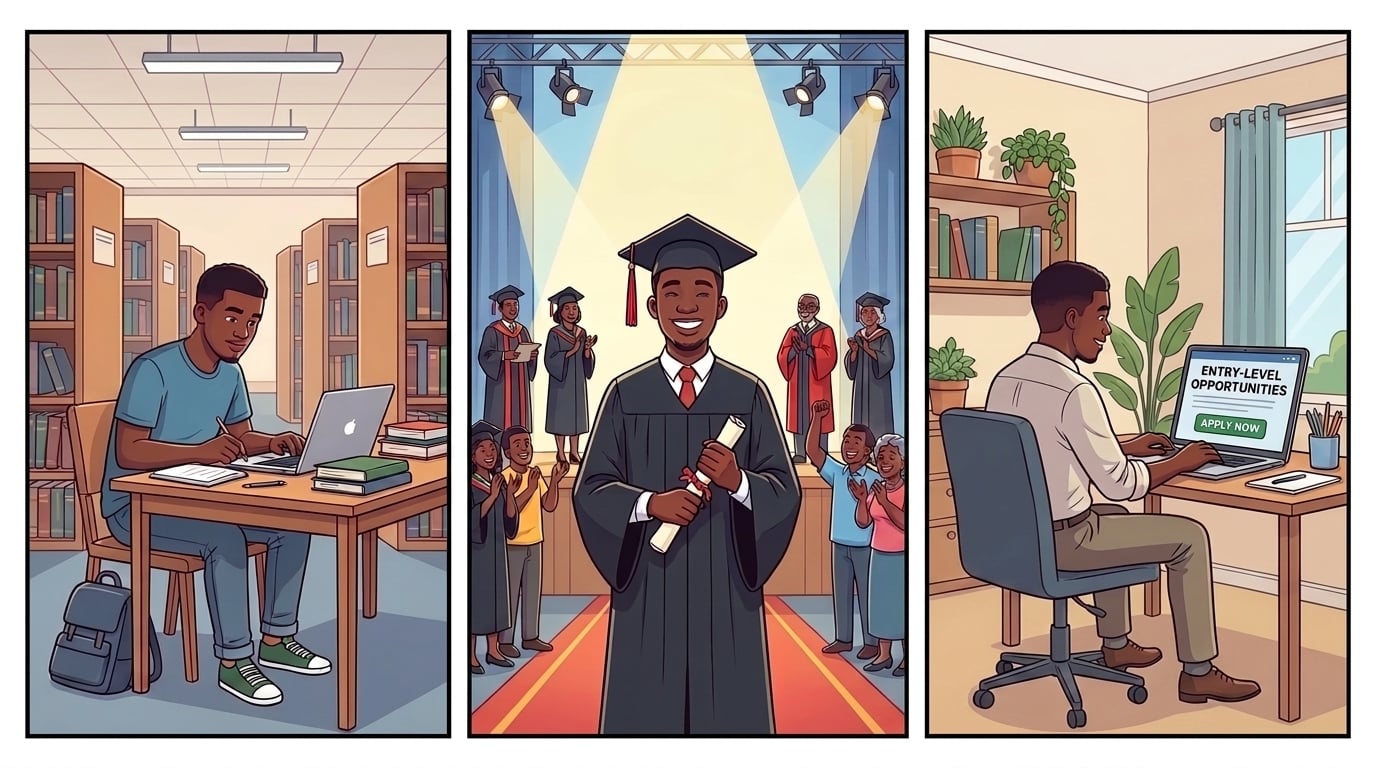
You just walked across that stage. Your mum has already framed the photo. Your WhatsApp status says “Graduate 🎓,” and someone in your group chat is already asking, “So what’s next?”
Here’s the truth: what comes next can feel tougher than school itself. If you’ve sent twenty applications with zero replies, it’s because the 2026 job market just plays by different rules. Here’s what’s really going on, and what to do about it.
Landing your first job can feel frustrating, especially when every “entry-level” role seems to ask for experience you don’t have. Thousands of graduates across Kenya are asking the same question.
The challenge isn’t just your CV or your degree, it’s also the reality of today’s job market. Understanding that reality is the first step towards navigating it successfully.
Why Finding Your First Job Is Harder in 2026

Today’s graduates face a more competitive job market than previous generations. Kenya’s workforce is growing rapidly, but formal employment is not keeping pace. According to the Federation of Kenya Employers (FKE), young people make up 35% of the country’s population. More than one million young people enter the labour market every year, yet youth unemployment stands at 67%. Even among employed youth, 89% work in the informal sector.
Employers are also automating routine work and hiring fewer people they need to train from scratch. That doesn’t mean opportunities have disappeared, it means employers expect candidates to show initiative before they apply. The good news? Skills, projects, and proof of ability often matter more than years spent in an office.
Table of Contents
What Counts as Experience?
Employers increasingly value evidence that you can solve problems, communicate effectively, and complete tasks. That means you can include:
• University projects
• Volunteer work
• Freelance assignments
• Campus leadership roles
• Small businesses
• Community initiatives
• Internship experience
• Personal projects
If you organized an event, managed a social media page, designed graphics for a local business, or tutored students, you’ve already developed workplace skills. Your task is to present that experience professionally.
Why Your CV May Never Reach a Recruiter

Most companies now use Applicant Tracking Systems (ATS) to screen applications before a recruiter reads them. These systems search for keywords that match the job description. If your CV uses different wording or contains tables, graphics, columns, or complex formatting, the software may reject it automatically.
To improve your chances:
• Use keywords from the job advertisement.
• Keep your CV in a simple, single-column layout.
• Focus on measurable achievements instead of responsibilities.
• Save your document as a PDF unless instructed otherwise.
Getting your CV noticed is only half the battle. Once a recruiter opens your application, they’ll want evidence that you can contribute even without a formal job history.
Build Experience Before Someone Hires You
You don’t have to wait for your first job to gain experience. Create opportunities that demonstrate your abilities.
- Complete a Google Career Certificate.
- Volunteer for a local organisation.
- Offer your skills to a small business.
- Build a portfolio website or start a blog.
- Take on freelance projects.
- Join hackathons or industry competitions.
These show employers you’re proactive, curious, and willing to learn. Many graduates already have relevant experience, they just don’t recognise it because it didn’t happen in a formal workplace.
Turn Informal Work into Professional Experience
Many graduates underestimate the value of informal work. Here’s how employers often see it:
| Formal Experience | Informal Experience |
| Full-Time Employment | Freelancing |
| Paid Internship | Volunteering |
| Corporate Projects | Community Initiatives |
| Company Role | Running a small business |
| Office Work | Campus Leadership |
Strengthen Your LinkedIn Profile

LinkedIn has become one of the most effective platforms for graduate recruitment. A complete profile helps recruiters verify your experience and discover your skills.
Focus on:
• A professional photo and a clear headline.
• An engaging summary.
• Relevant skills.
• Certifications.
• Volunteer work and projects.
• Recommendations from lecturers, supervisors, or clients.
Stay active by commenting on industry discussions and sharing what you’re learning. Visibility often leads to opportunities.
Prepare for Interviews with Confidence
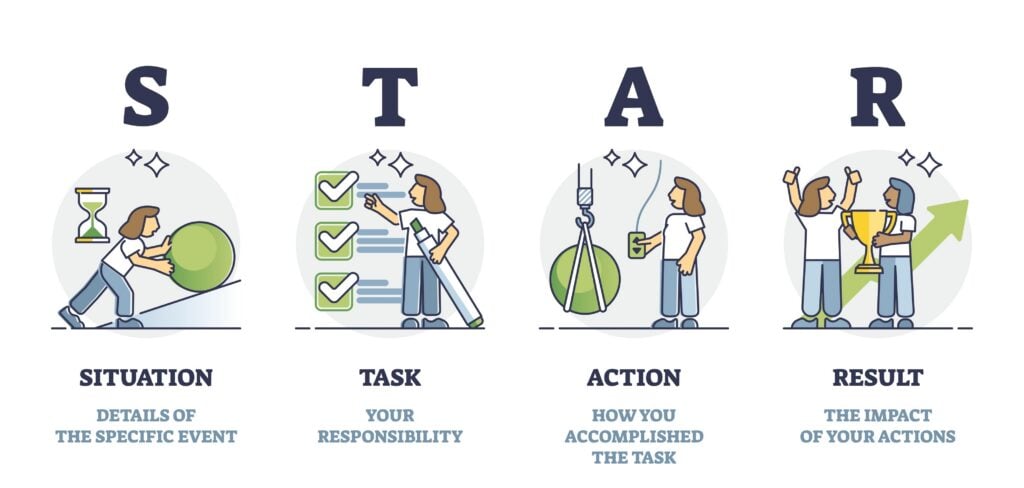
Lack of formal experience does not mean you lack valuable stories. Before every interview, prepare examples that demonstrate: Problem-solving, Teamwork, Leadership, Communication, Adaptability, Initiative.
Use the STAR method: Situation, Task, Action, Result
Employers hiring graduates expect to provide training. They want evidence that you’re willing to learn and contribute. After every interview, send a brief thank-you email within 24 hours. It’s a simple step that many candidates overlook.
Frequently Asked Questions
- Can I get a job with no experience? Yes, employers increasingly value practical skills, volunteer work, freelance projects, and personal initiatives alongside formal qualifications.
- Is a university degree enough? A degree opens doors, but employers also look for technical skills, communication, adaptability, and proof that you can apply what you know.
- Should I include university projects on my CV? Absolutely, they demonstrate practical experience and help recruiters understand your capabilities.
- How many jobs should I apply for each week? Focus on quality over quantity. Tailor each application instead of sending the same CV everywhere.
Does Your First Job Start Before You’re Hired?
Your first job doesn’t begin on day one, it begins with the choices you make while you’re still searching. Every project, skill, tailored CV, and interview adds to your professional story. Employers aren’t just counting years of experience; they want people who are curious, adaptable, and ready to grow.
The Kenyan job market is competitive, and rejections are part of the process, not proof you’re not good enough. Keep building, keep learning, keep applying thoughtfully. The experience you’re looking for often starts long before someone offers you the job.
You’ve done the work of building your story, now it’s time to find the roles to tell it to. Check out entry-level roles on our site and start applying with confidence.